
Stucco Crack Repair Vancouver, BC
Stucco cracking is the most common call we get, and it’s also the repair most likely to be done wrong by someone in a hurry. Stucco crack repair Vancouver homeowners actually need holds up long-term only when the crack type and its cause are identified first, which is part of why we treat this as an extension of our professional stucco repair services rather than a separate quick fix. Patch a crack without knowing what caused it and you’re likely booking the same repair again in a year or two. Our stucco repair specialists inspect every crack, whether it’s a hairline line across a garage wall or a structural crack that’s been widening for a season, before recommending anything.
Get in touch now!
Vancouver's Climate and Stucco Cracking
Vancouver sees measurable rainfall on well over a hundred days a year, and every open crack on a stucco wall is a potential entry point for that water. Left alone, moisture works its way through the crack, saturates the substrate, and eventually leads to rot or mold in the wall assembly behind the stucco. Winter freeze-thaw cycling makes this worse — water trapped in a crack expands when temperatures drop, mechanically widening the opening a little more with every cold snap through the season. The Portland Cement Association notes that stucco assemblies need to accommodate normal building movement through proper joint placement, which is exactly why control joints and correctly detailed openings matter more in a climate like ours than in a drier one. Elevations facing north or west tend to dry out more slowly between storms, so cracking on those walls typically progresses faster than on sun-exposed sides of the same building.
High-Quality Stucco Installation, Repair, and Restoration in Vancouver, BC
At J&K Stucco, we are your trusted stucco contractor for every project—whether it’s stucco installation, stucco repair, or full stucco restoration. Our team carefully assesses each property, evaluating the type of stucco, substrate condition, and building structure to provide accurate quotes, reliable timelines, and lasting results.
We specialize in both traditional stucco and EIFS (Exterior Insulation and Finish Systems), delivering energy-efficient, durable, and visually appealing exteriors for homes, businesses, and multi-family residences. As a leading stucco company in Vancouver, we also offer stucco painting, renovation, and custom stucco solutions. Our commitment to quality craftsmanship and attention to detail makes us the top choice for property owners searching for stucco contractors near me or local stucco contractors.
Let our skilled team deliver durable, stylish, and energy-efficient stucco solutions tailored to your needs
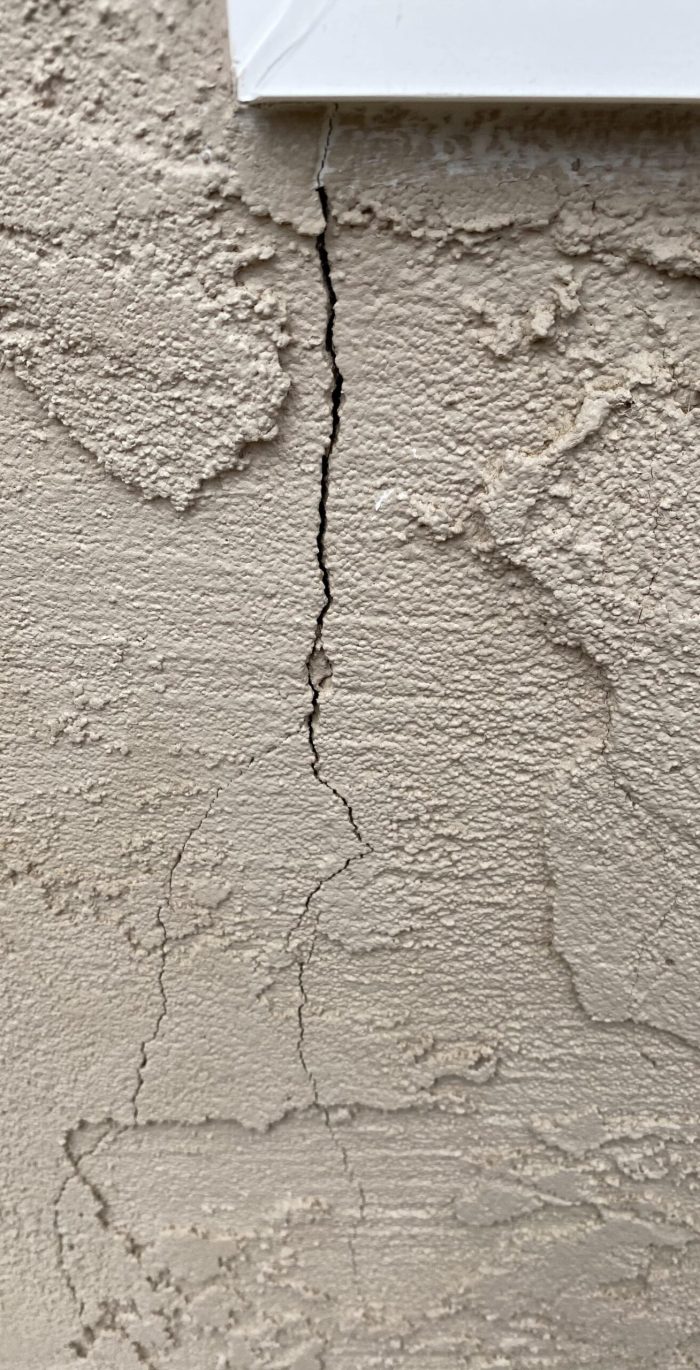
Common Types of Stucco Cracks We Repair
Not every crack calls for the same fix, and treating them all the same is how a repair fails early. Here’s how we categorize the cracks we see most.
Surface Shrinkage Cracks Thin, hairline cracks that form as the finish coat cures are usually cosmetic on their own. The issue is what happens if they’re ignored — in a climate as wet as ours, even a hairline opening eventually lets water in, leading to moisture-related stucco damage that’s a lot more expensive to fix than the original crack. Repair involves cleaning the crack, applying a flexible crack-bridging material, and matching the surrounding texture.
Corner Cracks at Windows and Doors Diagonal cracking running out from the corners of window and door openings is one of the most common patterns on Vancouver homes. It happens because the framing around the opening moves slightly relative to the rest of the wall, concentrating stress right at that corner. Patching the crack without dealing with the movement — usually by routing it out properly and installing a control joint or flexible sealant at the corner — just guarantees it reopens.
Map or Pattern Cracking A web of fine interconnected cracks across a section of wall, sometimes called crazing, usually traces back to how the original finish coat was mixed or applied — too much water in the mix, application in hot or windy conditions that dried the surface too fast, or a coat applied heavier than it should have been. When this pattern is limited to one section, it’s often a candidate for patch repair solutions rather than a full re-clad.
Structural Cracks Wider cracks that follow framing lines or run continuously across a large section of wall usually mean something is moving in the building itself — foundation settlement, framing deflection, or shifting from seismic activity. In these cases the crack is a symptom, not the actual problem. We’ll flag this during inspection and be upfront if the structural issue needs to be looked at before any stucco repair makes sense.
Delamination and Wall Separation When a section of stucco has separated from the layer underneath, it usually sounds hollow when you tap it, or looks like it’s bulging slightly away from the wall. This kind of loose stucco happens from moisture getting between coats, poor bonding during the original application, or repeated freeze-thaw cycling working the layers apart. There’s no re-bonding separating stucco layers in place — it has to come off, the substrate needs checking for moisture damage, and new material goes back on in the right coat sequence.
When Stucco Crack Repair Isn't Enough
Sometimes a crack that looked isolated turns out to be one of several once we’re up on the wall. If cracking, delamination, and moisture damage cover a large percentage of an elevation, patching each spot individually stops making sense, and restoring deteriorated stucco across the whole surface becomes the more practical option. In other cases — usually older homes where the original assembly never had proper drainage detailing — installing a new stucco system is the better long-term fix than chasing crack repairs on an assembly that’s going to keep failing regardless of how well any single crack is patched.
Residential and Commercial Stucco Crack Repair
Most crack repair calls come from homeowners dealing with a single problem area — a corner crack by a window, a hairline section on one wall — and our residential exterior repairs usually move quickly once the homeowner approves the scope. Our commercial repair projects tend to involve crack patterns across multiple elevations, often flagged in a depreciation report, with more coordination required around strata approval and occupied units before we can start. The diagnosis and repair method stay consistent either way; it’s the scheduling and paperwork that differ.
Areas We Serve
We handle repair work throughout Metro Vancouver, including regular projects for homeowners in Burnaby, where older character homes often need crack and water damage repair. Richmond property owners frequently deal with moisture-related issues tied to the area’s low-lying terrain, and repair work throughout Surrey covers everything from hairline cracking on newer builds to full patch repairs on older properties.
Our Stucco Crack Repair Process In Vancouver
1. Inspection and Classification We look at the crack itself and the surrounding wall, note the width, depth, and whether it’s still actively moving or has stabilized. This tells us which of the crack types above we’re dealing with.
2. Moisture Check For anything wider than a hairline, we test moisture levels around the crack, since water intrusion is a real possibility on almost any crack in this climate once it’s been open for a while.
3. Preparation Hairline cracks get cleaned and primed. Wider cracks are routed to a consistent width so a backer rod and sealant can be installed properly, in line with the joint spacing and detailing guidance the Stucco Manufacturers Association recommends for exterior cement plaster systems. Anything delaminated or structurally compromised gets cut back to solid, well-bonded stucco before we apply anything new.
4. Repair Application New material goes on in the correct number of coats for the depth of the repair, using a mix compatible with what’s already on the wall. Where the crack is likely to keep moving, we build in a flexible sealant or isolation membrane rather than a rigid patch that’ll just crack again.
5. Texture and Colour Match We match the surrounding texture as closely as possible — sand finish, dash, smooth trowel, whatever the existing wall uses. Color matching a fresh repair is approximate at best, since weathered stucco has a different tone than new material; painting the repaired section, or the full elevation, is usually the only way to get a fully uniform look right after the work is done.
Why choose us
Experienced Crews
Quality Materials
Affordable & Reliable
Comprehensive Services
Residential & Commercial
Signs You May Need Stucco Crack Repair in Vancouver
A few early warning signs are worth acting on before a crack becomes a bigger problem. Cracks that widen over a season, staining below or beside the crack line, and a hollow sound when you tap nearby stucco are all signals that something is happening behind the surface. Our guide to identifying stucco problems walks through these patterns in more depth, and our proper stucco maintenance guide covers the upkeep that helps prevent new cracking once a repair is done — things like keeping drainage clear, watching caulking around openings, and addressing hairline cracks before a wet winter gets to them.
Request a Free Stucco Crack Repair Inspection
If you’ve got a crack that’s new, widening, or just been there long enough that you’re not sure if it matters, schedule an inspection with our team. Every visit comes with a written scope explaining what we found and what it’ll take to fix — no guessing, and no repair recommended before we know what’s actually causing it. You can also request a crack repair estimate directly if you already know what you’re dealing with and just need a number.
Frequently asked questions
Yes, in most cases. Cracking, staining, and small areas of damage can usually be patched or repaired without redoing the whole wall. The exception is when damage is widespread across multiple elevations or the underlying assembly has failed — at that point, repair just becomes a repeated cost, and replacement makes more sense.
It depends on the cause. Most policies cover stucco damage from a sudden event — a storm, a tree branch, impact damage — but not cracking from normal aging, settling, or gradual water intrusion. Long-term moisture damage is usually treated as a maintenance issue, not a covered loss, so it’s worth checking your policy wording before assuming it’s covered.
The area around the hole gets cut back to a clean edge, exposing the lath. If the lath is damaged, it needs to be replaced before anything else happens. From there, it’s a scratch coat, a brown coat, and a finish coat applied in layers with proper cure time in between, finished with a texture and color match to the surrounding wall. Skipping any of those layers, or rushing the cure time, is usually why DIY patches fail within a year.