
Water damage is the repair call we take most seriously, because by the time it’s visible on the surface, it’s usually been developing behind the wall for a while. Water damage stucco repair Vancouver homeowners need almost always involves more than patching the stucco itself — it means finding where the water got in, drying out what it’s affected, and fixing the assembly so it doesn’t happen again. This work is part of our broader professional stucco repair services, but it gets its own process because the stakes are higher than a typical crack or patch job. Our repair specialists open up the wall before quoting anything, since guessing at what’s happening behind stucco that’s already failed once is how a second failure gets built in from the start.
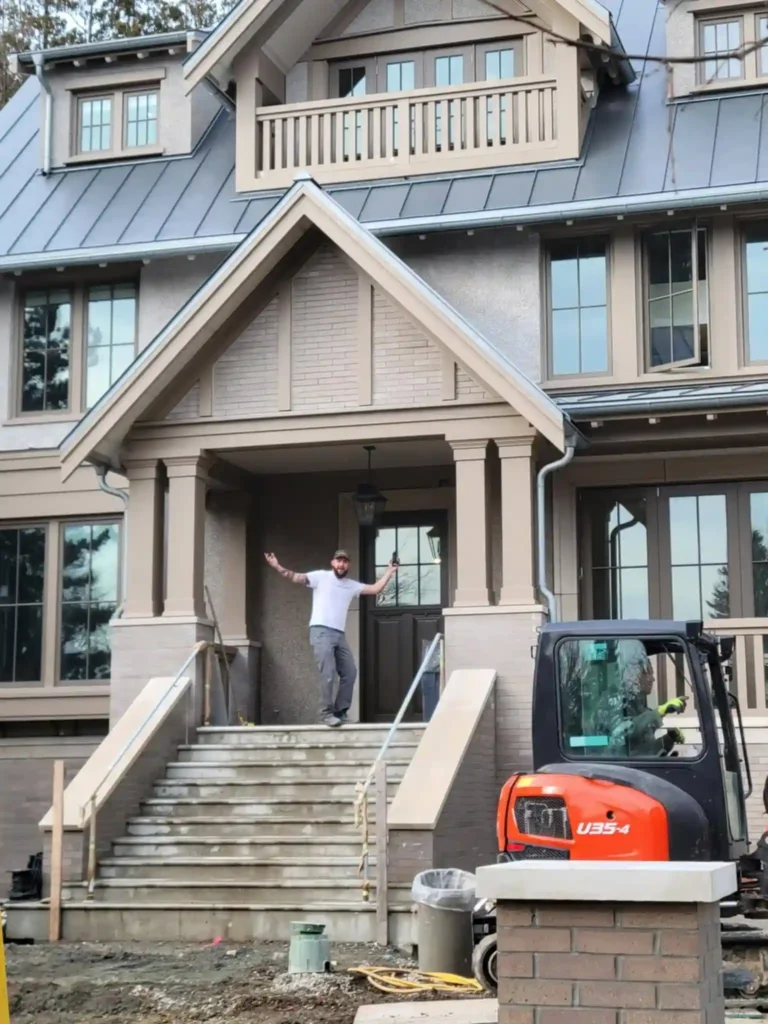
Vancouver’s rainfall is heavier and more frequent than in most Canadian cities, and that constant moisture load is the reason water damage shows up in stucco walls here more than almost anywhere else in the country. The region’s building history plays a role too — a lot of construction through the 1990s and early 2000s didn’t account for how much moisture a coastal climate actually pushes at a wall assembly, which is part of why so many homes from that era have had envelope problems. BC Housing’s Building Envelope Guide for Houses, developed with the Province of BC and industry partners, lays out the drainage and detailing standards that current construction is expected to meet specifically because of lessons learned from those earlier failures. When we inspect an older home, we’re often checking against exactly the kind of detailing that guide addresses — control joints, flashing, and a functioning drainage plane behind the stucco.
At J&K Stucco, we are your trusted stucco contractor for every project—whether it’s stucco installation, stucco repair, or full stucco restoration. Our team carefully assesses each property, evaluating the type of stucco, substrate condition, and building structure to provide accurate quotes, reliable timelines, and lasting results.
We specialize in both traditional stucco and EIFS (Exterior Insulation and Finish Systems), delivering energy-efficient, durable, and visually appealing exteriors for homes, businesses, and multi-family residences. As a leading stucco company in Vancouver, we also offer stucco painting, renovation, and custom stucco solutions. Our commitment to quality craftsmanship and attention to detail makes us the top choice for property owners searching for stucco contractors near me or local stucco contractors.
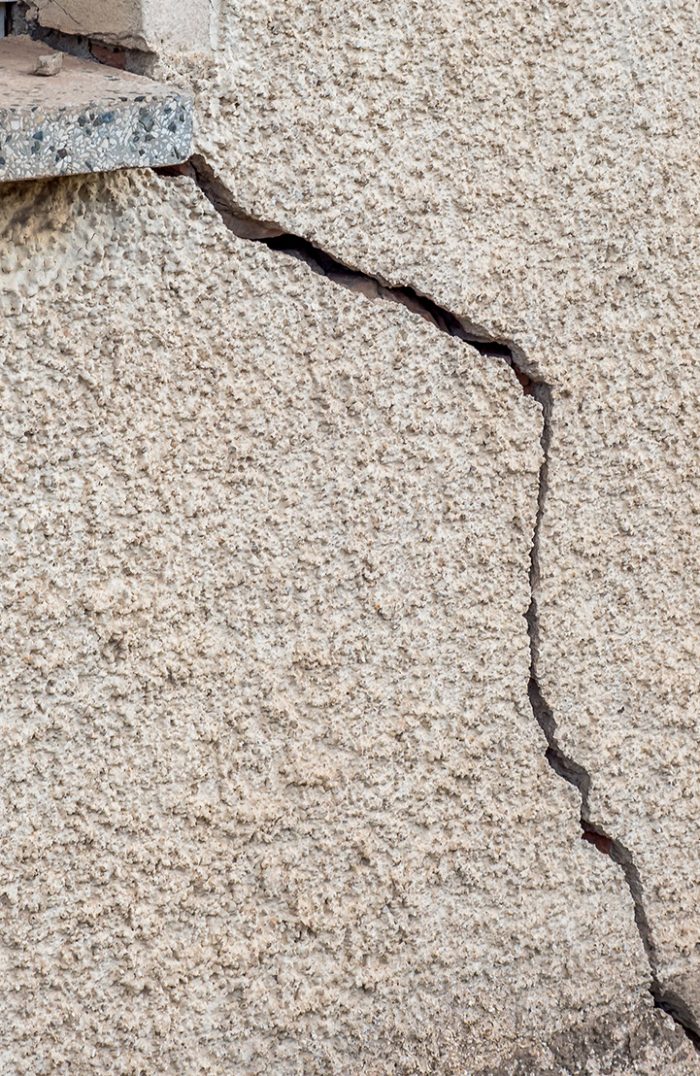
Moisture rarely gets in through the face of the stucco itself — it finds a way in through a failure point. The most common entry points we see are cracks that were never sealed properly, which is why repairing cracked stucco early is one of the simplest ways to prevent a much bigger repair later. Failed flashing around windows, doors, and roof lines is another frequent cause, along with sealant that’s shrunk or pulled away from trim and penetrations over time. Once water gets past any of these points, it travels behind the stucco and settles wherever gravity and the assembly’s drainage — or lack of it — take it.
Isolated Moisture Damage When water intrusion is limited to a small area — around a single window, at one penetration point — the fix is usually repairing damaged sections rather than a full re-clad. We remove the affected stucco, dry and inspect the substrate underneath, correct whatever let the water in, and rebuild that section properly.
Widespread Moisture Damage and Loose Stucco When water has been getting in for a longer stretch, it often affects a wider area and weakens the bond between coats. This shows up as loose stucco that sounds hollow when tapped, or sections where the finish coat has started separating from the base coat underneath. Localized stucco repairs won’t hold in these spots — the compromised material has to come off entirely before anything new goes back on.
Rot and Structural Moisture Damage In the worst cases, water that’s been trapped behind stucco for years reaches the sheathing and framing, causing rot that needs to be addressed by a qualified contractor before any stucco work makes sense. We flag this during inspection rather than stuccoing over a problem that’s still active underneath.
Sometimes what starts as one water-damaged section turns out to affect most of an elevation once we’re into the wall — particularly on older homes where the original building paper or flashing details never met current standards. In these cases, patching individual spots doesn’t solve the underlying problem, and complete exterior restoration becomes the more sensible path. Where the entire assembly has failed — no working drainage plane, degraded building paper across multiple walls — installing a new stucco system with proper detailing from the start is usually a better long-term investment than repeated moisture repairs on an assembly that keeps letting water through.
Water damage on a single-family home is often confined to one or two problem areas, and our stucco services for homes can usually move ahead once the homeowner has approved the scope and understands what we found once the wall was opened. On multi-unit and strata buildings, our commercial exterior repairs tend to involve wider-spread moisture issues — often first flagged in a depreciation report — along with more coordination around occupied units, notice periods, and strata approval before work can begin. The diagnosis and repair approach is the same in either setting; the scale and scheduling are what change.
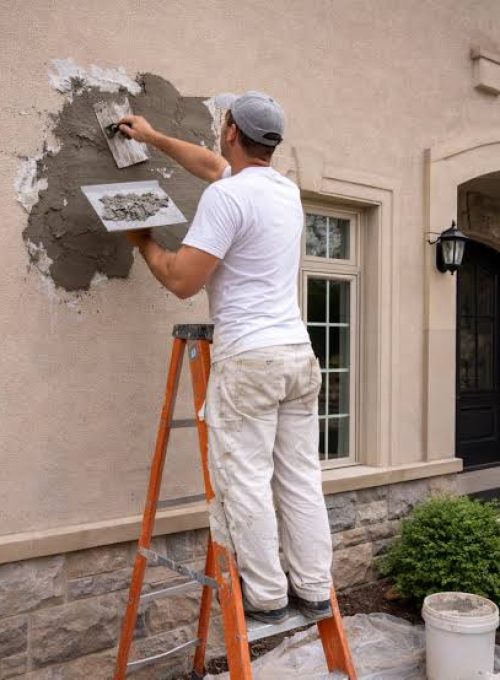
We handle repair work throughout Metro Vancouver, including regular projects for homeowners in Burnaby, where older character homes often need crack and water damage repair. Richmond property owners frequently deal with moisture-related issues tied to the area’s low-lying terrain, and repair work throughout Surrey covers everything from hairline cracking on newer builds to full patch repairs on older properties.
1. Inspection and Moisture Testing: We test moisture levels at and around the visibly affected area to map how far the damage actually extends, since it’s rarely limited to what’s showing on the surface.
2. Opening the Wall: We remove enough of the stucco to expose the building paper, lath, and sheathing underneath, so we can see the actual extent of the damage rather than estimating it.
3. Drying and Assessment: Affected substrate is dried out and inspected for rot or structural damage. Anything beyond stucco repair — compromised framing, for example — gets flagged before we proceed.
4. Correcting the Entry Point: We identify and fix whatever let the water in, whether that’s failed flashing, a missing weep screed, or degraded sealant, since rebuilding the stucco without fixing this just sets up the same failure again.
5. Rebuilding the Assembly: New building paper, lath, and stucco coats go back on in the correct sequence, with proper cure time between coats.
6. Texture and Color Match: We match the surrounding finish as closely as possible so the repaired section blends into the rest of the wall.
Once a repair is done, the goal is making sure it stays done. Preventing moisture intrusion usually comes down to a few consistent habits — checking sealant around windows and penetrations each year, addressing hairline cracks before they widen, and keeping an eye on staining or soft spots before they turn into a bigger problem. Our guide to protecting your stucco exterior covers the regular upkeep that helps a repaired wall actually last, rather than becoming a repeat call in a few years.
If you’ve got cracking, staining, or a section of wall that doesn’t look right, don’t wait for it to spread. Request a quote or schedule an inspection with our team, and we’ll tell you plainly what’s going on and what it’ll take to fix it.
An inspection doesn’t cost you anything, and it doesn’t obligate you to book the work. We’ll walk the exterior with you, point out what we’re seeing, and explain why we think it’s happening — whether that’s a control joint issue, a flashing detail that’s failed, or straightforward wear from age and exposure. If the damage is minor, we’ll say so, and we won’t push a bigger scope than the wall actually needs. If it’s more serious, we’ll explain what’s likely happening behind the surface and what it would take to confirm it, including moisture testing where that’s warranted.
Most inspections can be scheduled within a few days, and we’ll usually have a written quote to you shortly after, broken down by what’s being removed, what’s being replaced, and roughly how long the job will take. If you’re comparing quotes from other contractors, feel free to have us look at what they’ve proposed — we’re happy to explain where our scope differs and why. Reach out whenever works for you, and we’ll get a time on the calendar.
It depends on the cause. Most policies cover stucco damage from a sudden event — a storm, a tree branch, impact damage — but not cracking from normal aging, settling, or gradual water intrusion. Long-term moisture damage is usually treated as a maintenance issue, not a covered loss, so it’s worth checking your policy wording before assuming it’s covered.
The most common one is patching over the surface without checking what’s happening behind it — if there’s trapped moisture or rotted sheathing underneath, a surface patch will fail again quickly. Other mistakes include skipping control joints on larger repairs, rushing cure time between coats, and mismatching texture or colour so the repair stands out. Using the wrong mix ratio for the scratch and brown coats is another one that shows up on repairs done by less experienced crews.
For isolated damage on an otherwise sound wall, repair is almost always the more cost-effective choice. Replacement starts to make more sense when damage covers a large portion of the exterior, the assembly lacks proper drainage, or the stucco has already been patched multiple times in the same spots without holding.
Copyright 2025 | J and K Stucco